
The Tale of Harald Bluetooth and Bluetooth Technology: The Origin of Modern Connectivity
August 10, 2023

Jayson Canete
Unravel the captivating story of Harald Bluetooth, the 10th century monarch who forged unity among Norse tribes, mirroring the seamless connectivity of today's devices.
Tech News
In the vast tapestry of history, certain figures stand out not just for their immediate impact, but for the legacies that ripple through time. One such figure is Harald Bluetooth, a Viking king who reigned over a millennium ago, leaving behind a legacy that extends far beyond his own time. It might seem peculiar that a Viking king's name would be associated with a technology that now connects our modern world, but the story behind Bluetooth technology's name is a testament to the unifying power of both the past and the present.
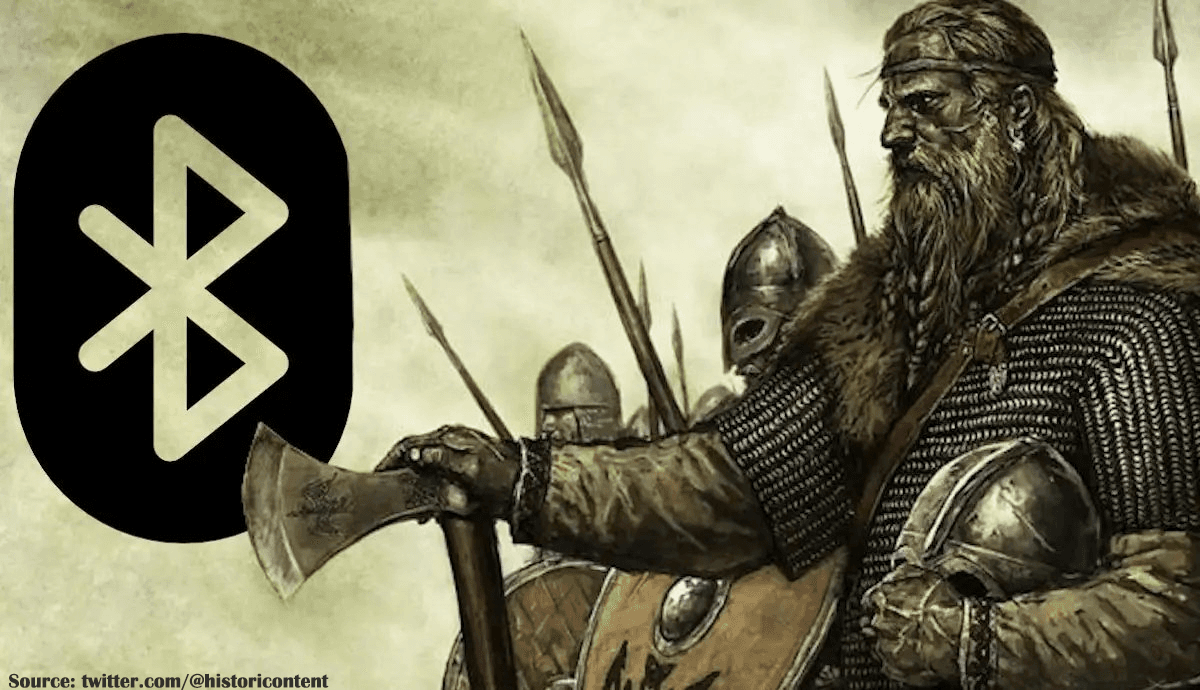
Harald Bluetooth, known also as Harald Gormsson, ruled Denmark and Norway in the 10th century. While his rule was characterized by his efforts to unite the diverse factions within his kingdom, his name would later become synonymous with a different kind of unity – that of electronic devices. The symbolism is striking: just as Bluetooth sought to unite the tribes under his rule, the technology named after him now unites various electronic devices, from smartphones to laptops, creating a seamless network of connectivity.
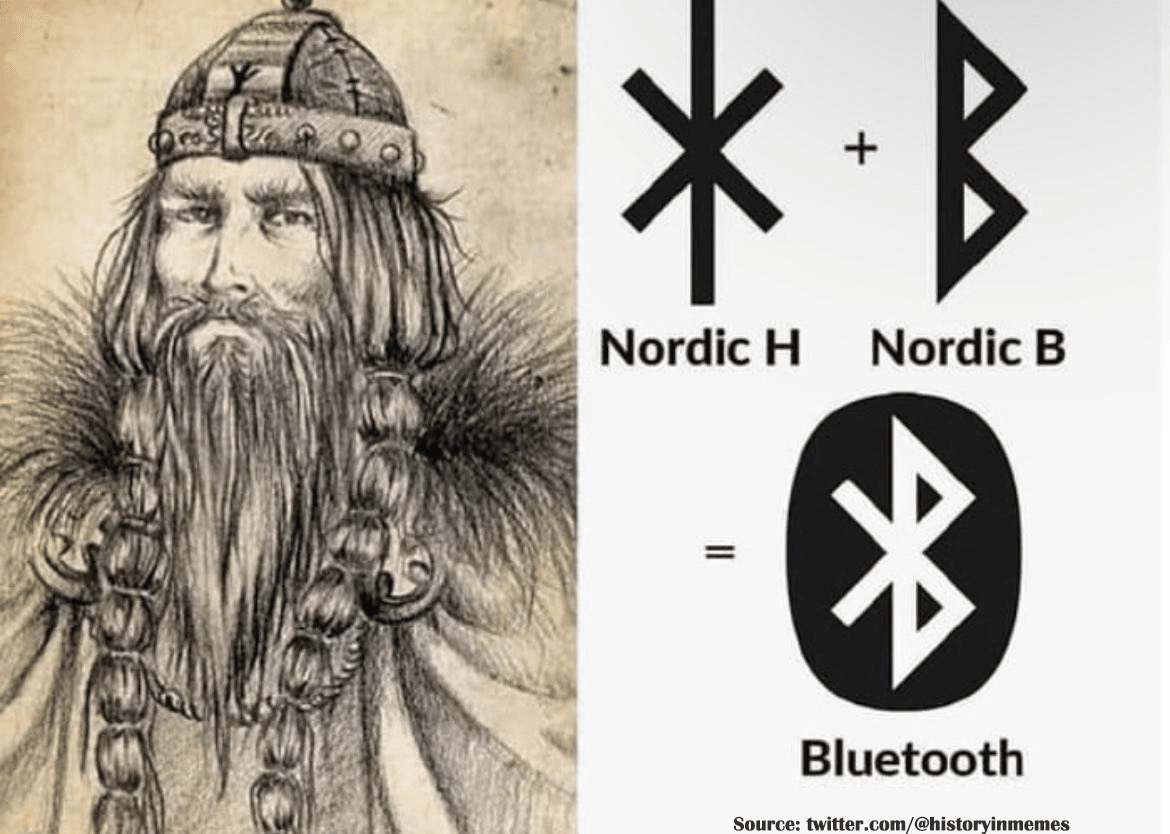
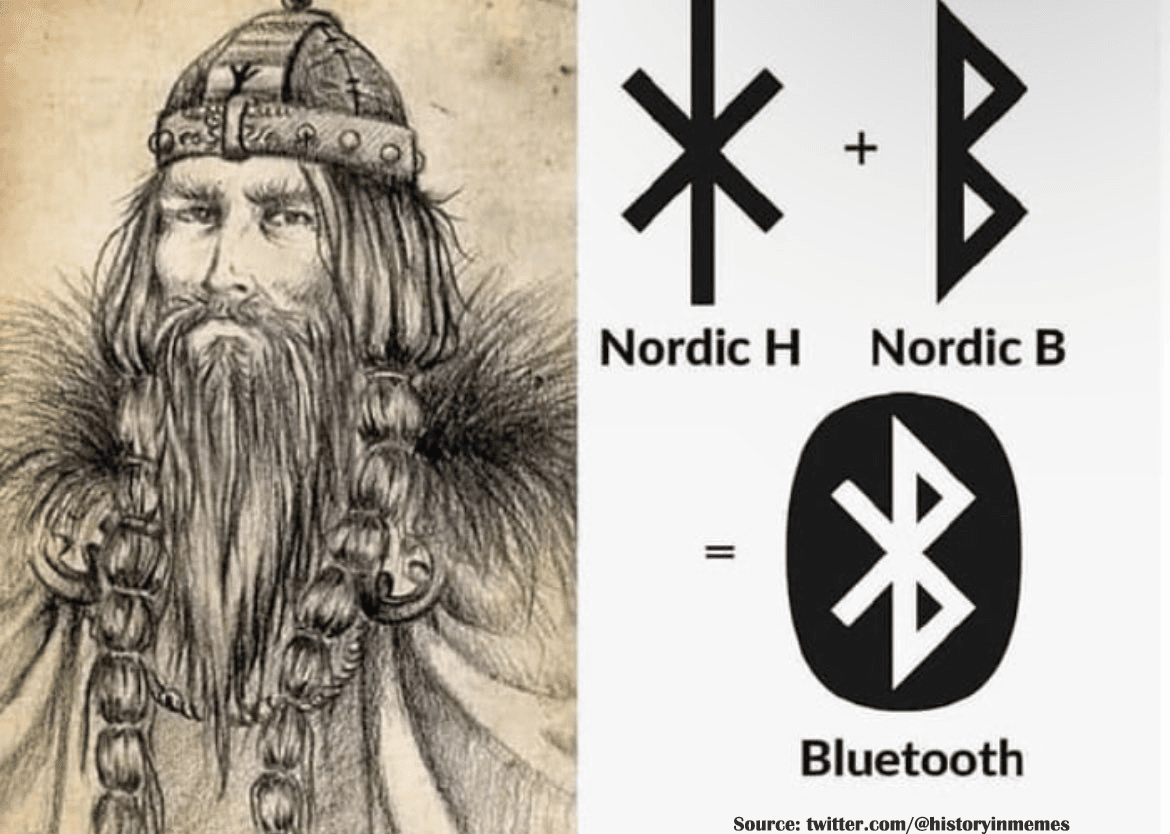
The very logo of Bluetooth encapsulates this historical connection. Comprising Nordic runes that spell out his initials "H.B.", the logo is a visual nod to Harald Bluetooth's influence on the technology. The runes themselves evoke a sense of ancient mystique, bridging the gap between the age of Vikings and the age of digital communication.
The origins of Harald Bluetooth's moniker have sparked curiosity and debate. One theory suggests that he had a penchant for blueberries, which often stained his teeth. This fondness for the berries could have earned him the nickname "Bluetooth." Another intriguing theory suggests that a dead tooth gave his tooth a distinctive dark blue or grey hue, leading to the name. These theories offer a glimpse into the personal life of a historical figure who has, in an unexpected twist, become an emblem of modern connectivity.
Yet, beyond the quirky origins of his name, Harald Bluetooth's legacy is firmly rooted in his contributions to the religious and political landscape of his time. His most impactful achievement was his conversion to Christianity, a decision that forever altered the cultural trajectory of Scandinavia. He stands as the first Scandinavian king to embrace Christianity and advocate for its propagation among his people. This religious transformation not only influenced the spiritual landscape of the region but also had profound political implications.
As with many tales from history, Harald Bluetooth's reign eventually met its end. His own son, Sweyn Forkbeard, overthrew him, leading to his exile in Pomerania. It was in this distant land that Harald Bluetooth breathed his last, a king without a kingdom, a ruler without a realm. The exact details of his death have been obscured by the mists of time, leaving us to wonder about the final chapter of a monarch who left an indelible mark on history.
In the curious dance of time, Harald Bluetooth's name lives on, connecting his era with ours in ways he could never have imagined. The unifying spirit that defined his rule now finds its expression in the wireless connections that bear his name. As we navigate the intricate web of modern technology, let's not forget the ancient roots from which these innovations spring – a Viking king who strove to unite, in his own time and now in ours.
Watch the video for more details.